
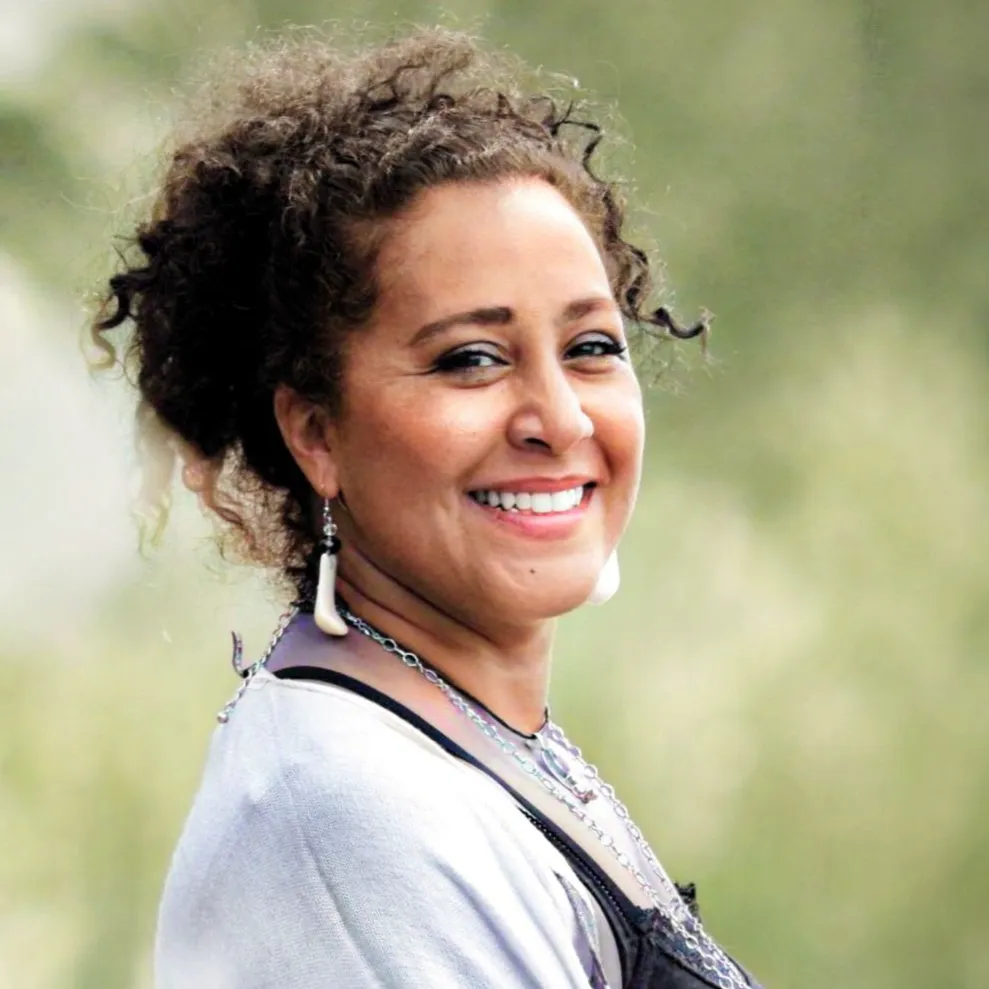
Anastasia Hernandez
About
Anastasia Hernandez is an End-of-Life Doula, and creator of Where Your Treasure Lies, a contemplative life-review process. Her work brings together trauma-informed approaches, compassionate inquiry, and spiritual exploration to support healing, self-understanding, and meaningful personal transformation.
Based in Summerland, British Columbia, and registered with the End of Life Doula Association of Canada, Anastasia offers a compassionate, non-judgmental space for individuals navigating life's challenges, transitions, and deeper questions of grief, meaning and purpose. Her approach is grounded in deep listening, authentic connection, and respect for each person's unique journey.
Approved Modalities
- Death DoulaA death doula, also known as an end-of-life doula or death midwife, is an “informed companion” who empowers and supports individuals and families to navigate the end-of-life process. They fulfil a gap in the care team, acting as advocates who provide emotional and practical support. Death doulas have the capacity for deep listening, opening up conversations about death and prompting the client to reflect on their life. This can include writing letters, creating legacy projects, preparing for death and reflecting on their life. They can also aid with funeral planning, client education and referral services such as coordinating with palliative care, hospice and social workers. Death doulas have no medical background or training and do not perform clinical or medical tasks. Doulas can work with clients daily or weekly, and the relationship might span several years. Depending on their scope of practice and experience, additional services might include things like energy healing, massage, meal preparation and assisting with legal paperwork.
- Circle FacilitatorIndigenous communities have long utilized circles for spiritual connection and guidance, employing ritual, storytelling, and music. In modern times, circle facilitators, often community activists, convene groups to honour life transitions, share stories, and foster self-awareness and community bonds. They establish a safe, respectful environment, setting guidelines and boundaries such as confidentiality and non-judgment. Circles vary in theme and structure, catering to specific groups or shared interests like Women's or Men's Circles. Facilitators aren't counsellors but guide participants through reflection and dialogue, referring them to appropriate professionals for deeper issues. Through circles, individuals find support, understanding, and connection, echoing the ancestral wisdom of Indigenous traditions in contemporary community settings.
Location