
Qigong Practitioner | Mindful Moving Holistic Care | Complementary Therapist
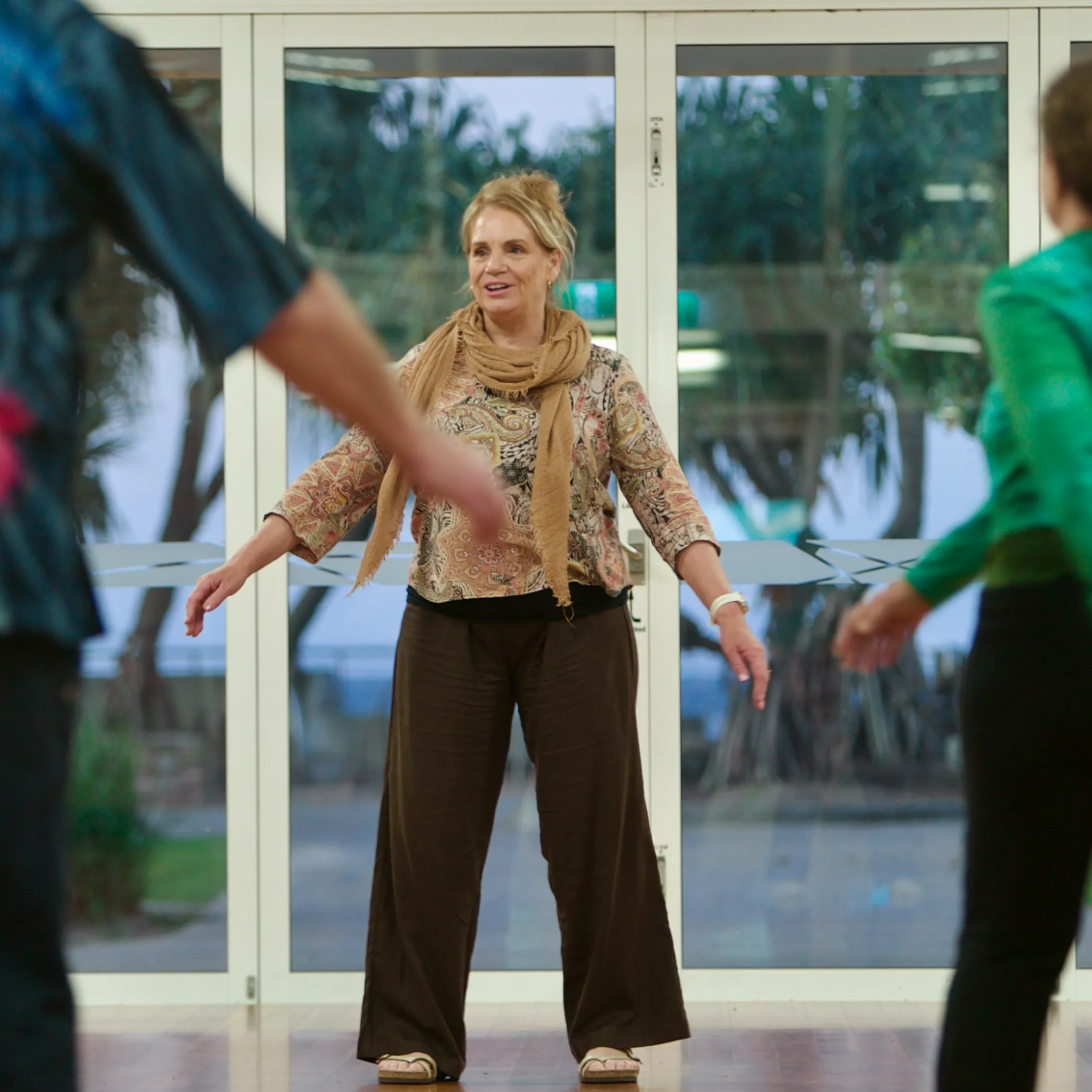
Fiona Greenlaw is the founder of Mindful Moving, with 30+years teaching medical Qigong & Holistic Care dedicated to supporting people on their journey towards greater health. Through an integrative approach combining Complementary Therapies such as Qigong, Breathwork, Mindful Movement, Guided Meditation, Yoga Nidra and Energy Healing. Fiona helps individuals cultivate balance, build resilience and enhance their overall wellbeing. Her compassionate, person-centred practice honours the interconnectedness of the mind, body, heart, spirit and soul.
Drawing on her qualifications in BA Exercise Science, Diploma of Complementary Therapies and a Master instructor of Tai Chi Qigong/Medical Qigong, Fiona incorporates the principles of Traditional Chinese Medicine (TCM), with a particular focus on the body’s meridian system. Her sessions encourage the smooth flow and regulation of Qi (vital energy), Gong (cultivating or working with) supporting the body’s natural capacity for balance, vitality and holistic wellbeing.
Fiona is passionate about helping people reconnect with themselves, quiet the mind and restore harmony within. Her gentle, personalised approach empowers individuals with practical tools to nurture their wellbeing, strengthen resilience and confidently navigate life’s challenges with greater ease and presence.
- Holistic CounsellingHolistic Counselling is a form of therapy that looks at clients as a whole, integrated individual. Rather than just treating the symptoms, Holistic Counsellors look at the interconnectedness of the body, mind and spirit. In addition to talk therapy, Holistic Counsellors draw on a range of treatment protocols. Depending on their scope of practice, these techniques may include, but are not limited to, Hypnotherapy, Art, Meditation and Mindfulness, Breathwork, Energy Healing and Psychotherapy. In some countries, Counselling is regulated. It is essential you are familiar with and adhere to the laws in your state/province or country which govern the appropriate use of titles, require licensure/registration, or a specific level of education.
- Metaphysical HealingMetaphysical Healing is a mind-body approach that recognizes the connection between negative beliefs and physical illness. Louise Hay significantly contributed to this field. Practitioners use energetic healing techniques to address root causes of imbalances, benefiting physical, emotional, and spiritual well-being. It relieves stress, brings balance to the body's energy centers, improves energy levels, and sleep patterns. Additionally, it aids in healing emotional issues, releasing stagnant energy, and promoting higher awareness.
- Qi GongQigong (pronounced chi-gong) was developed thousands of years ago as a form of Chinese Medicine. Qi translates to “subtle breath” and gong translates to “skill cultivated through steady practice.” It combines gentle movement, deep breathing, and mind regulation to optimise energy in the mind, body and spirit. There are hundreds of forms of qigong exercises, including Tai Chi, Baduanjin, Liuzijue, Hu Yue Xian, Yijin King, and Medical Qigong, and they all have the primary aim of reducing stress and building stamina, increasing vitality, and enhancing immune function.
- Tai ChiTai Chi is a Chinese martial art that combines slow, flowing movements, controlled breathing, and a meditative state of mind. Known as "meditation in motion," Tai Chi improves strength, flexibility, balance, and cardiovascular fitness. The gentle, circular movements help relax muscles and joints while promoting deep, intentional breathing. Each pose is named after animals or martial arts techniques, and participants focus on bodily sensations throughout the practice. Tai Chi is highly adaptable and can benefit people of all ages and fitness levels. Regular practice can lower blood pressure, improve aerobic conditioning, and reduce the risk of falls.
- NDIS Support WorkerAn NDIS Support Worker provides essential assistance to individuals with disabilities, helping them live independently and participate in their community. This role includes supporting daily activities such as grocery shopping, meal preparation, light housekeeping, and gardening. Support Workers also provide transport to appointments, social outings, or recreational activities, fostering connection and engagement. They assist with personal development, goal setting, and skill-building, encouraging independence in areas like budgeting, cooking, and community access. Compassionate and reliable, they offer companionship and emotional support, creating a safe and empowering environment. While they do not provide advanced personal care, their role is crucial in enhancing quality of life by promoting inclusion, well-being, and autonomy. Support Workers tailor their assistance to each individual’s needs, ensuring respectful and person-centered care.