
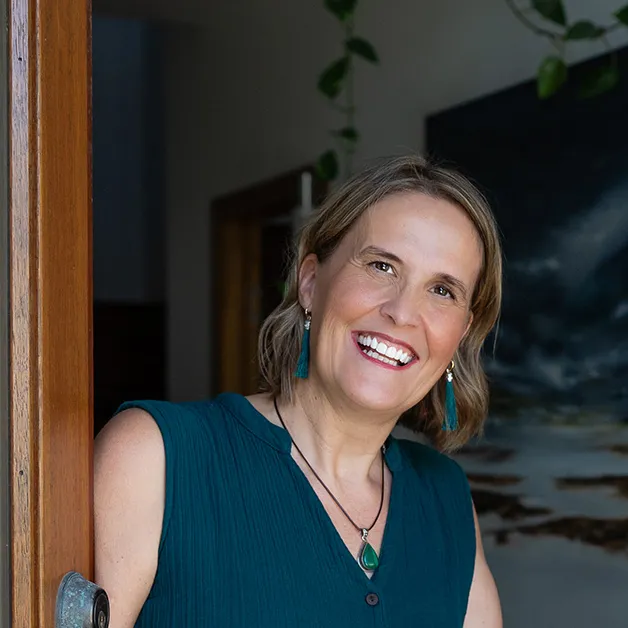
Elizabeth Hughes
Your Body Has The Answer Pty Ltd
About
Hi, I am the founder of Your Body Has The Answer Pty Ltd and I was Head of Progressive Kinesiology in the United Kingdom for ten years before I emigrated to Australia in 2010.
I have a B.A. Honours degree in Psychology and Education, and numerous health qualifications. I teach Conscious Kinesiology, Advanced Kinesiology and Energy Reset and run a private practice on the Sunshine Coast, QLD.
I have published three books on Kinesiology and nutrition and a beautiful set of self healing oracle cards.
Look forward to sharing with you.
Approved Modalities
- Craniosacral TherapyCraniosacral Therapy (CST) was developed by John E Upledger, influenced by Dr. William Sutherland's research. It involves gentle hands-on evaluation and light touch on the craniosacral system, which includes the membranes and cerebrospinal fluid surrounding the brain and spinal cord. CST releases restrictions in this system, benefiting the central nervous, digestive, musculoskeletal, respiratory, and circulatory systems. It has shown to help with somatic conditions like depression and anxiety. CST has two types: Biomechanical and Biodynamic, both falling under the general heading of Craniosacral Therapy.
- Human Physiology and Anatomy
- Indian Head MassageIndian Head Massage is a therapeutic treatment based on Ayurvedic principles. Practitioners use various massage strokes and acupressure on the scalp, face, neck, arms, ears, shoulders and upper back. It is used to help with calming the nervous system, general relaxation, improving sleep, to stimulate blood & lymphatic flow, enhancing hair and scalp health, mental clarity and emotional wellbeing. Indian Head Massage practitioners are not qualified to treat or diagnose doshic (constitutional) imbalances, use specialised medicated oils & should not treat specific medical conditions (eg hemiplegia, sinusitis, migraine, mental health conditions etc), unless they are also a qualified Ayurvedic Practitioner, or supervised by one in a clinical setting.
- KinesiologyKinesiology is the study of movement, derived from Chiropractic and Applied Kinesiology. It utilizes muscle testing to identify imbalances in the body—physical, emotional, biochemical, or spiritual. By bypassing mental stories and beliefs, kinesiologists determine methods to restore balance. They employ techniques like subconscious realigning, acupressure, nutrition, coaching, and emotional clearing to address root causes of imbalances. Kinesiology is a holistic approach, offering solutions for disorders such as stress, muscular and nervous disorders, allergies, nutritional deficiencies, learning difficulties, behavioral issues, and emotional challenges. It aims to transform clients' well-being by addressing the underlying causes and promoting balance in multiple aspects of life.
- NutritionNutritionists deal with general nutritional aims and work with clients to achieve health goals through personalised nutrition plans and supplementation. They can provide tailored advice to suit a person’s diet, exercise routine, sleeping habits, career and life commitments, and nutritional needs. Nutritionists perform an initial assessment and create a realistic plan that addresses health, weight and nutritional goals, provide education about food and nutrition (for example: how to read a food label) and provide meal plans and recipes. Consulting with a Nutritionist can help clients improve their immune health, improve biomarkers and decrease susceptibility to disease, optimise their physical and mental well-being, assist with weight gain or weight loss, or prepare the body for a specific life event. Nutritionists cannot diagnose eating disorders or design diets to treat specific medical conditions.
- ReflexologyReflexology, with roots dating back thousands of years, was modernized by Dr. William Fitzgerald and refined by Eunice Ingham. Ingham discovered that the feet contain reflexes mirroring organs in the body, and by applying acupressure to these points, positive effects may be created in the corresponding body parts. This gentle complementary therapy, known as reflexology, may effectively relieve stress, induce relaxation, boost immune health, improve circulation, eliminate toxins, alleviate pain, enhance digestion and sleep, lower blood pressure, and release muscle tension. After assessing a person's health concerns, practitioners refer to a micro map of the body that corresponds to specific organs, muscles, bones, nerves, lymph nodes, and glands. Applying pressure to these acupoints on the feet, hands, face, and ears may help clear blockages, restore energy flow, and achieve balance. Sessions typically last 50 minutes, and clients can remain fully clothed throughout the treatment.
- Reiki III (Master)Reiki is a hands-on energy healing method developed by Mikao Usui in 1922. What sets it apart is the attunements passed from Teacher/Master to student, opening up their energy fields. Reiki involves transferring universal life force energy from practitioner to client, with hands placed on or above specific body locations. Symbols are used with different intentions, visualized or drawn. Reiki can be done in person or through distant healing, lasting 60-90 minutes. It aids in pain relief, healing, relaxation, and balancing chakras and aura energy. Clients remain clothed on a massage table during sessions. For IICT purposes, a Reiki Master is someone who is qualified to teach and attune others to Reiki.
Location
Appointment